Many small homes and apartments open straight into the living room, with no hallway, no coat closet, and no real entryway at all. So keys land on the kitchen counter, shoes pile up by the door, and bags take over a chair, until a few small entryway ideas give every daily thing a home of its own. Most of the time, the real trouble is that the things you carry in and out every day have no home of their own.
Think of the moment you walk in after a long day, tired, with your hands full. If your keys land in their spot, your bag hangs on its hook, and your shoes stop at their little home, the whole evening starts softer. The entry is the first thing you see when you walk in and the last thing you see when you leave, and a drop zone gives every daily thing one clear place to land, so that first minute at home feels like a welcome instead of one more chore.
You do not need a mudroom or a big budget for this. You only need a small stretch of wall near the door, a few simple pieces, and one rule: everything that comes in with you gets a spot.
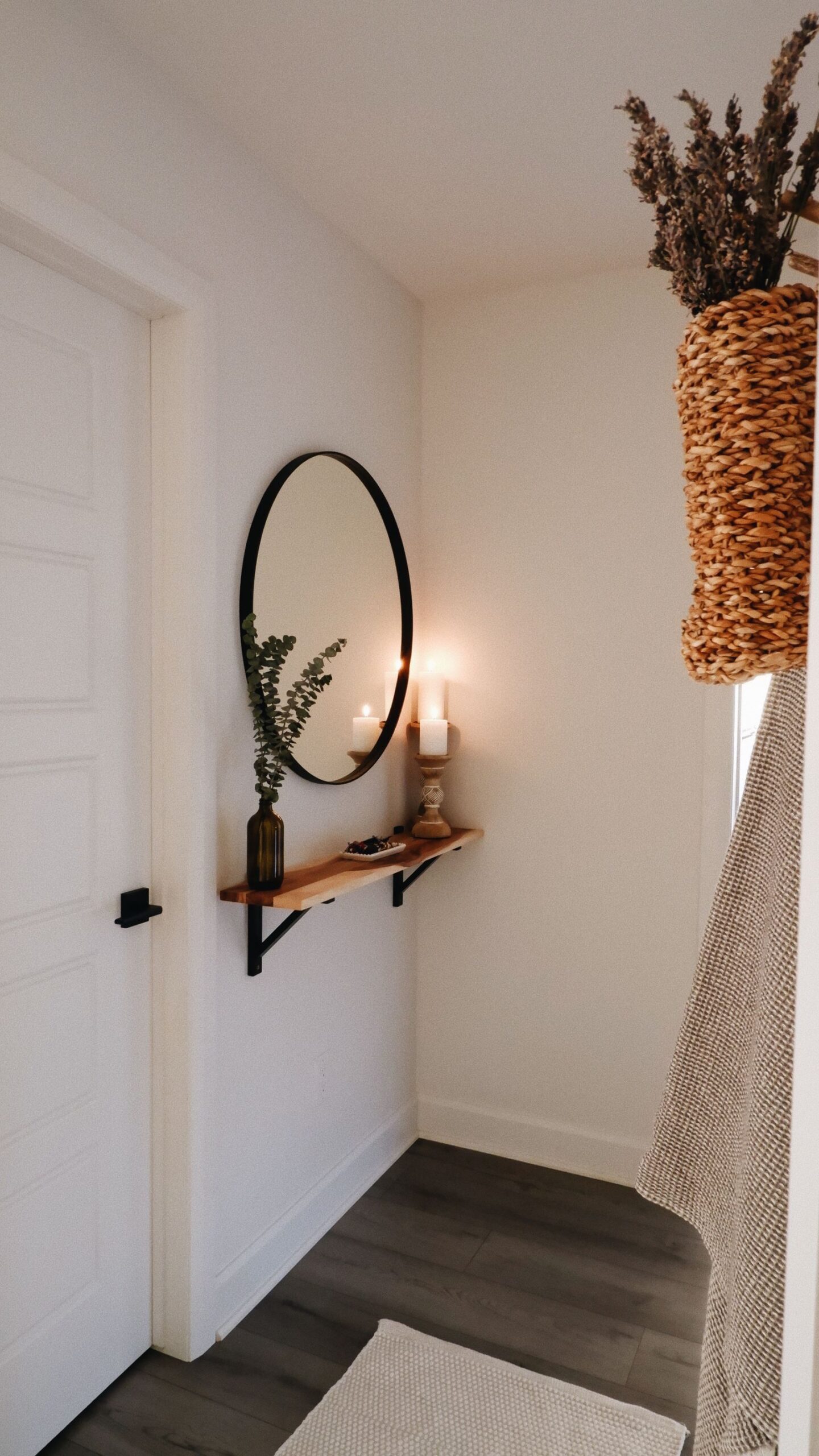
First, pick the spot and keep it small
Before you buy anything, stand at your front door and look at the wall closest to it. That wall is your entryway now, even if it is only as wide as the door itself. A good drop zone is small on purpose. When the zone is small, it cannot swallow the whole room, and everything in it stays easy to see and easy to reach. Measure the space if you can, so the pieces you choose actually fit, and keep the walking path through the zone clear, around 3 feet if your space allows, so the entry never feels like an obstacle course.
1. Hang a row of sturdy wall hooks
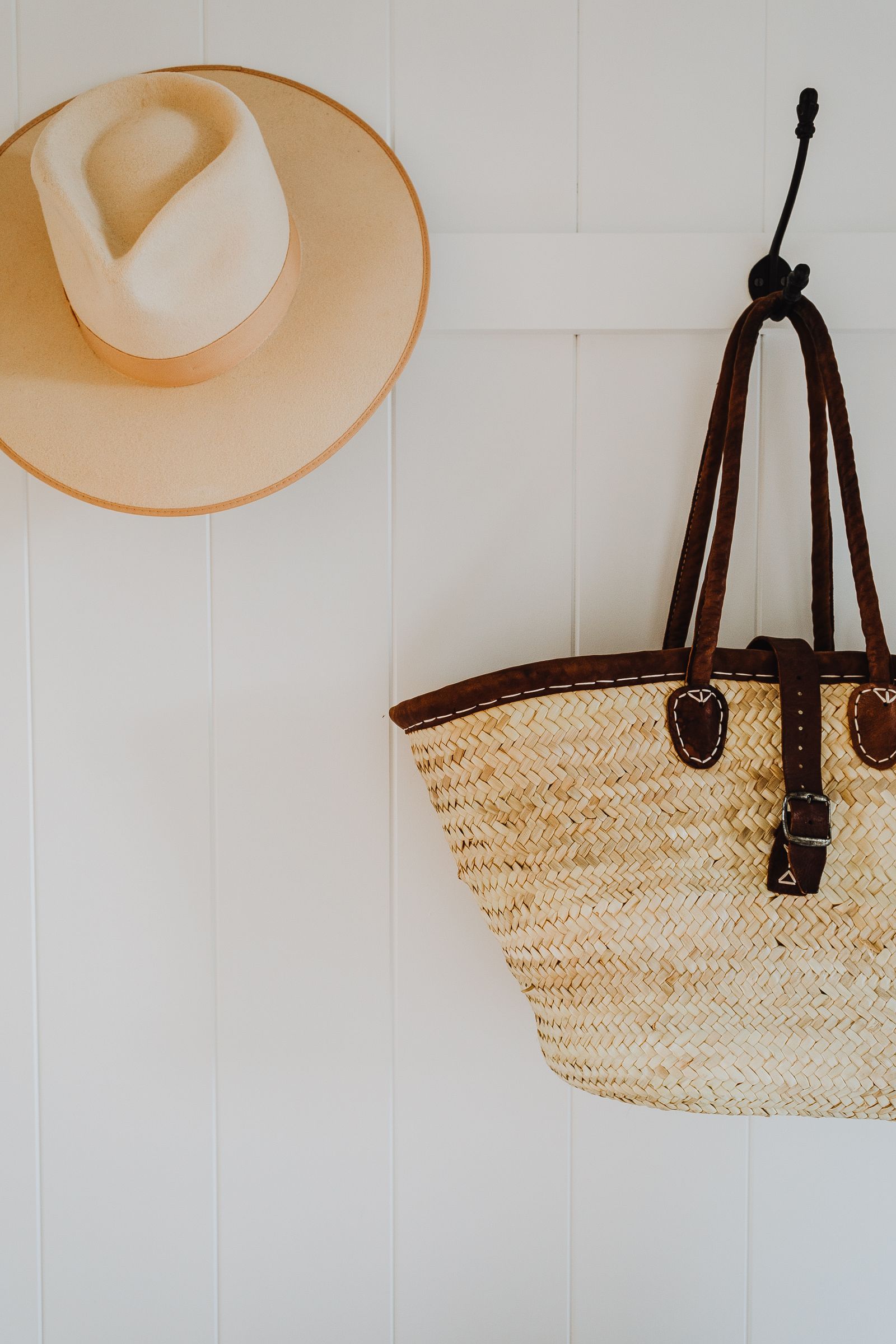
Hooks are the heart of a drop zone. One row of hooks holds your bag, jacket, hat, and the kids’ backpacks, all off the floor and off the furniture. Place them at a height that works for your family: about 5 to 6 feet high works for most adults, and if you have children, a second lower row at their height lets them hang their own backpacks. Leave a little space between them so things do not pile into one big knot. If you rent, strong adhesive hooks can work for lighter items like keys, hats, and a dog leash, and an over-the-door hook rail on the back of the front door is another no-drill option that holds more.
2. Add a slim floating shelf as your landing strip
A narrow floating shelf near the door catches the things in your hands the second you walk in: keys, sunglasses, your phone, a small wallet. A shelf only 4 to 6 inches deep is enough for keys and a phone, so it never crowds the walkway, and because it floats, the floor under it stays clear. Choose a shelf with a small raised edge if you can, so nothing slides off. If you can’t drill, a narrow console table, or a hook rail with a small shelf that hangs over the door, does the same job.
3. Give your keys one small tray or bowl
Keys get lost when they land in a different place every day. A small tray, bowl, or pretty dish on the shelf gives them one home. Pick something you enjoy looking at, in your own style. It sounds like a small thing, but reaching for your keys and finding them in the same spot every morning removes a daily moment of stress.
4. Solve shoes with one slim solution
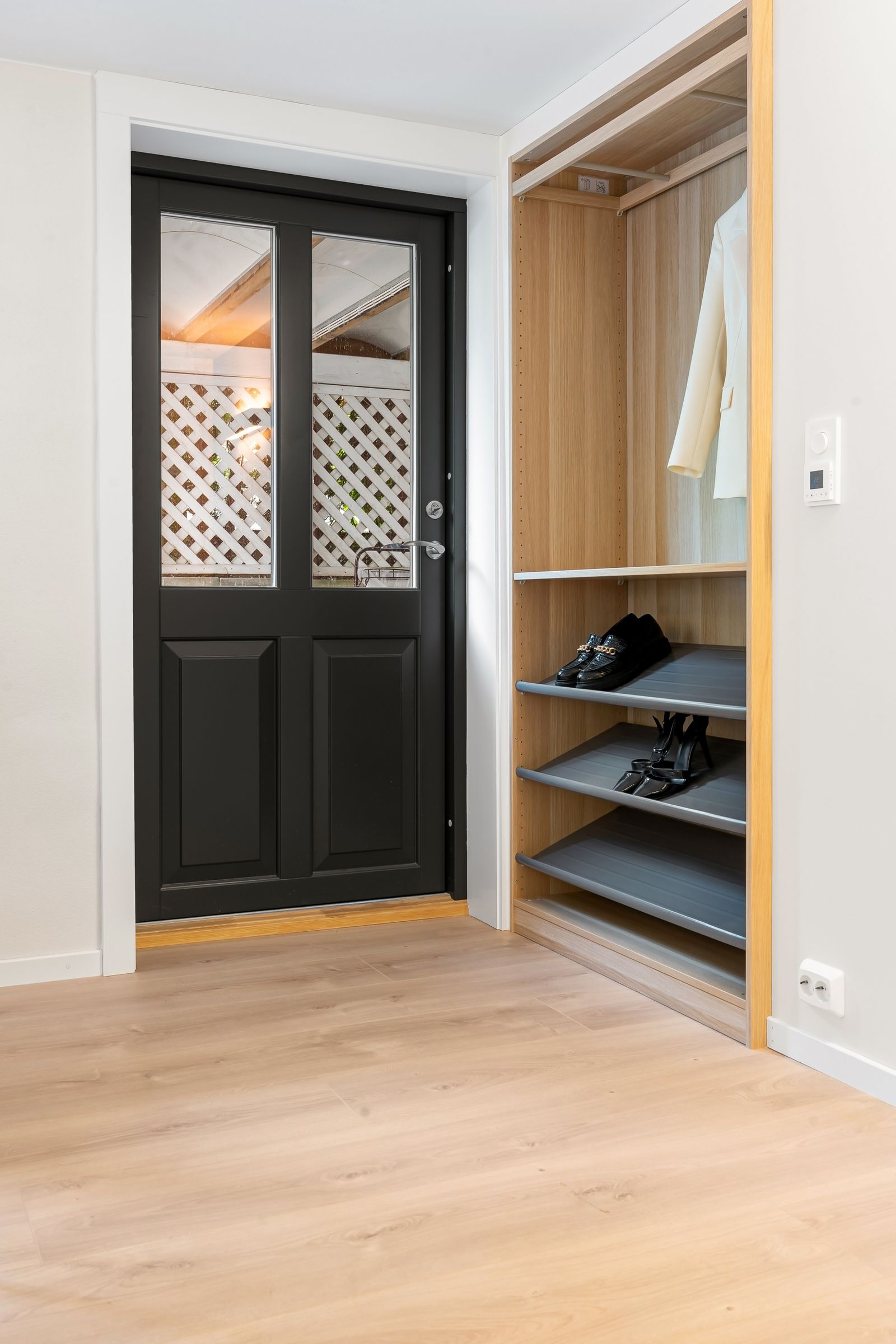
Shoes spread fast in a small entry. Pick one contained option and keep it small: a slim shoe cabinet, a short two-level rack, or one basket for the shoes your family wears every day. Other shoes belong in the bedroom, not by the door. One rule helps a lot: each person keeps only one or two pairs in the drop zone, so the area never turns into a shoe mountain.
5. Hang a mirror to open up the space
A mirror makes a tiny entry feel bigger and brighter because it reflects light. It is also practical: one last look before you walk out the door. A mirror with a small shelf or a few hooks under it does double duty, and it makes the drop zone look like a planned little corner instead of a pile of things. If you rent, an over-the-door mirror or a mirror on a small stand gives you the same light without a single hole, and heavy mirrors should never hang on adhesive hooks, so save those for light things only.
6. Mark the zone with a small rug or mat
A small washable rug or mat tells everyone where the entry begins and ends. It catches dirt and rain before they travel through the home, and it makes the drop zone feel like its own small space, even when it shares a wall with the living room. Choose a low, flat rug so the door can swing over it without catching.
7. Add a basket for umbrellas and extras
One tall basket near the door holds umbrellas, a reusable shopping bag, and seasonal things like a scarf or a light sweater. A second small basket can hold things that need to leave the house with you, like returns or a bag for a friend. When these things have a basket, they stop wandering around the home.
8. Keep mail and papers off the pile
Mail is the fastest way to bury a drop zone. A small wall pocket or vertical file holder on the wall gives envelopes and school papers one place to wait, standing up where you can see them. Mail is light, so for renters an adhesive wall pocket works well here. Go through it once a week and let the rest go. Paper that stands up in a holder looks calm, while paper that lies flat in a pile grows every day. And for the bills and family papers that need a longer home than a wall pocket, our Home Management Planner on Etsy keeps them all in one place.
9. Close the day with a two-minute reset
A drop zone stays pretty when it gets a tiny bit of daily care. Once a day, take two minutes to hang what fell, return shoes to their spot, and clear the shelf back to just the basics. This is the step that keeps the area breathing. A small space only has to be easy to reset, so a busy day never turns into a week of clutter by the door.
Questions people ask about small entryway ideas
What to do with a tiny entryway?
Give it one job: landing. A row of hooks for bags and coats, one slim shelf as a landing strip, and a small tray for keys create a drop zone in a patch of wall as small as two feet wide, with no furniture and no drilling you cannot undo.
How to style a small entrance?
Start with a mirror, which opens the space and gives you one last look before you leave, then mark the zone with a small rug so the area reads as a place of its own. Keep the pieces slim and in your own style, and the entrance feels chosen rather than squeezed in.
What are some creative ideas for a narrow entryway?
Use the wall, not the floor: hooks in a row, a floating shelf, and one slim shoe solution that stands flat against the wall. A basket catches umbrellas and extras, and a two-minute reset at night keeps the narrow space from filling up.
Walking into your home should feel good, no matter how small the space is. A drop zone in your own style, organized and with room to breathe, greets you with calm at the end of a long day.
Your apartment may not have a real entryway, but it can still have a real welcome. Pick your wall, add hooks and one small shelf, and give your daily things a home. The rest of the home will feel lighter too.
Want more cozy organizing help? Get the free Cozy Home Starter Kit.